Spring Maintenance for Your Cadillac in Quebec: A Complete Post-Winter Care Guide
March 30 2026,
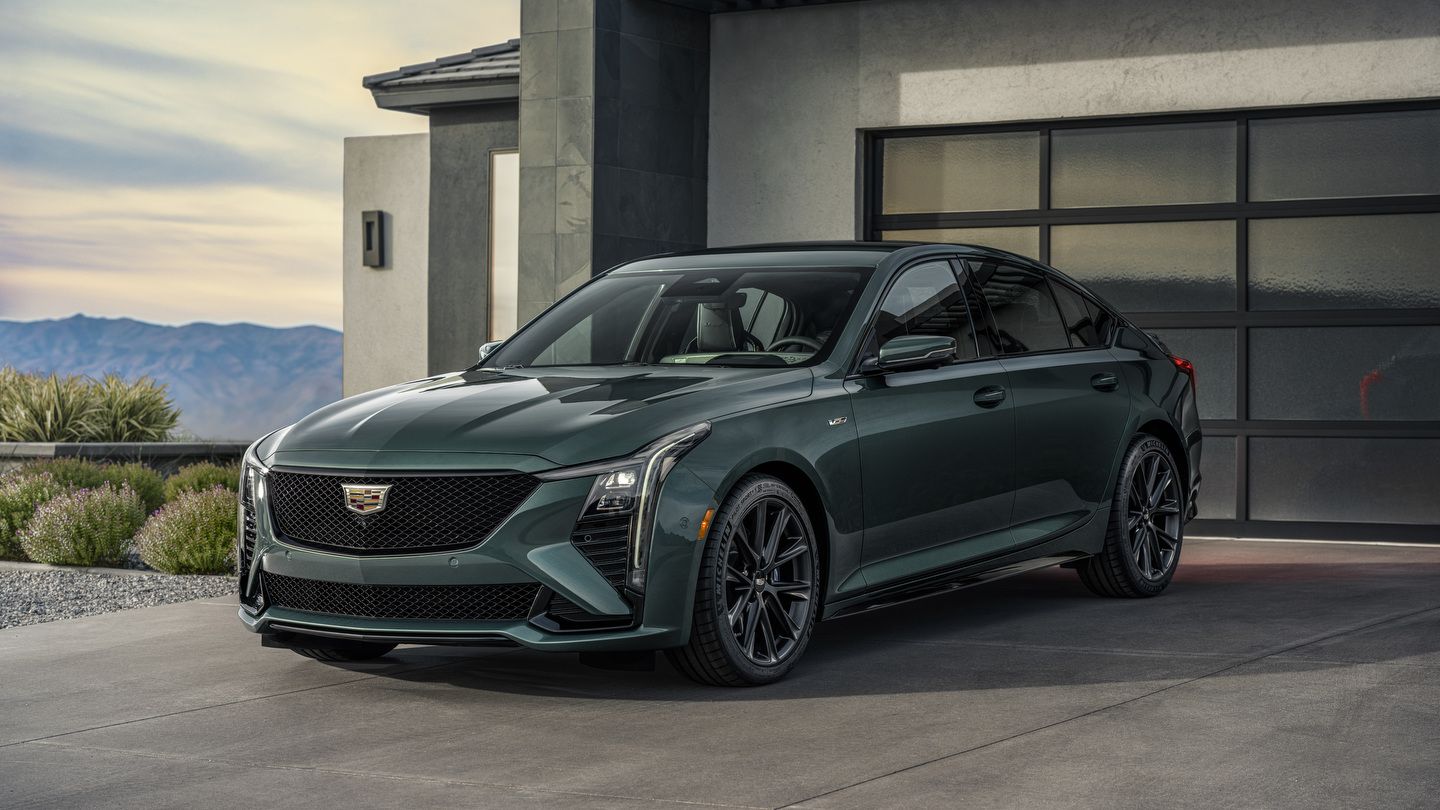
Spring in Quebec marks the end of a particularly tough season for your Cadillac. Between road salt building up under the chassis, potholes battering the suspension, and freezing temperatures draining the battery, a Quebec winter leaves its mark. Now that temperatures are climbing again, it's the right time to assess your vehicle's condition and take care of the essential checks.
This guide covers the key steps of spring maintenance, specifically tailored to Quebec's road conditions. From an Escalade to an XT5 or an all-electric LYRIQ, these checks help extend the life of your vehicle and keep its performance at its best. Everything is covered here — from tire changeovers to underbody cleaning and the critical mechanical inspections that keep you safe on the road.
Tire Changeover: Timing and Quebec Regulations
In Quebec, the transition from winter tires to all-season tires typically begins once temperatures consistently stay above 7 °C. Driving on winter tires in warm weather speeds up tread wear and reduces steering precision, because the soft rubber compound designed for cold conditions becomes too pliable on hot pavement.
Before storing your winter tires, wash and dry them thoroughly to remove salt residue that can corrode rims and break down the rubber. Use the changeover as an opportunity to check tread depth — the safe minimum is 4/32 in., but replacing tires before reaching that threshold improves grip in spring rain. Also inspect for uneven wear, often caused by repeated pothole impacts, which signals an alignment issue.
Tire pressure should be recalibrated to the manufacturer's specifications once the all-season tires are installed. Cold winter temperatures cause pressure to drop, and incorrect inflation hurts fuel economy and handling. Always check pressure when tires are cold, before driving.
Underbody Cleaning and Corrosion Protection
Road salt works its way into every corner of the chassis, attacking the frame, suspension components, and brake lines. A standard wash isn't enough — a pressure wash of the undercarriage is needed to dislodge salt buildup in the wheel wells and lower panels. These areas trap moisture and create corrosion pockets that spread from the inside out.
After a thorough exterior wash with automotive shampoo (never dish soap, which strips protective layers), use a clay bar to decontaminate the paint. This step removes embedded iron particles and road residue that washing alone can't clear. Then apply a wax or sealant to create a barrier against UV rays and spring and summer contaminants.
Carefully inspect the body for early signs of rust. Treating these spots quickly prevents them from spreading. Cadillac vehicles benefit from factory-applied anti-corrosion treatments, but prolonged salt exposure can compromise these protections on vehicles that are a few years old.
Suspension Inspection and Alignment Check
Quebec's potholes punish the suspension and throw wheels out of alignment, creating uneven tire wear and reducing fuel efficiency. A vehicle that pulls to one side, an off-centre steering wheel, or asymmetric tread wear all point to an alignment problem that should be corrected promptly.
A suspension inspection includes checking the shocks, ball joints, and suspension bushings for leaks, cracks, or excessive wear. Winter impacts can damage these parts without causing immediate symptoms, but the issues gradually show up as degraded handling and clunking noises on rough roads.
A professional alignment check after winter ensures all four wheels are properly positioned according to the manufacturer's specifications. This maximizes the lifespan of new tires and improves directional stability — particularly important on Cadillac models equipped with adaptive suspension systems.
Brake Inspection and Pad Replacement
Winter salt and moisture corrode brake pads, rotors, and calipers. A spring inspection evaluates pad thickness, rotor condition (checking for grooves or warping), and proper caliper function. Brakes that squeal, vibrate, or require excessive pedal pressure signal a problem that compromises safety.
Brake fluid should also be checked. This hygroscopic fluid absorbs moisture over time, lowering its boiling point and reducing braking performance. If the fluid is dark or contaminated, it should be replaced according to Cadillac's recommended intervals.
Modern braking systems on Cadillac vehicles integrate advanced technologies such as automatic emergency braking and brake assist. Keeping the mechanical components in good condition ensures these electronic systems work as intended.
Fluid Top-Ups and Oil Change
Winter puts heavy demands on every fluid in the vehicle. Check and top up the coolant, brake fluid, washer fluid (switch to a summer formula without antifreeze), power steering fluid, and transmission fluid. Low levels can cause costly damage to mechanical systems.
Oil changes follow the intervals specified in the owner's manual. Used oil contains contaminants that accelerate engine wear. Replace the oil filter with every change to maintain proper filtration.
Take the opportunity during this visit to inspect belts and hoses. Cold weather can crack, soften, or swell them. A belt that snaps can leave the vehicle stranded and cause engine damage, while a leaking hose leads to overheating.
Cabin Air Filter Replacement
The cabin air filter clogs with salt dust and winter debris, reducing the efficiency of the heating and air conditioning system. A dirty filter lowers airflow and can spread musty odours through the cabin. Replacing this filter in the spring improves interior air quality and prepares the climate control system for summer.
This is generally a straightforward task that can be handled during regular maintenance. Refer to the owner's manual for the exact filter location and replacement instructions. On some Cadillac models, the filter is located behind the glove box or under the hood.
Battery Test After Cold-Weather Starts
Freezing temperatures degrade battery capacity. A battery older than three years should be tested in the spring to evaluate its charge and its ability to hold voltage. Weakened batteries may work fine in mild weather but fail during the next cold snap.
Professional testing measures voltage, cold cranking amps, and internal resistance. If the battery shows signs of weakness, replacing it proactively avoids an unexpected breakdown. Clean the terminals and cables as well to remove corrosion that hinders conductivity.
For electric models like the LYRIQ, the high-voltage battery requires a different kind of attention. The battery's thermal management systems should be checked to confirm they are functioning properly, and the vehicle's software may need updates to optimize performance.
Wiper Blade Replacement
Winter or worn wiper blades should be replaced before the April spring showers arrive. Degraded blades leave streaks, reduce visibility, and can scratch the windshield. Choose quality blades designed for Canadian conditions, capable of handling rain, slush, and road debris.
Also check the washer fluid level and refill with a season-appropriate formula. Winter washer fluid with antifreeze is no longer necessary once temperatures are consistently above zero.
Interior Cleaning and Odour Treatment
Salt crystals embed themselves in floor mats and continue to break down the fibres if left untreated. Vacuum all mats and seats thoroughly, then treat salt stains with a dedicated cleaner rather than water alone. Winter moisture, wet boots, and stale air create musty odours that call for an odour neutralizer — not just an air freshener.
Clean and protect the dashboard and trim against UV damage. The low-angle winter sun and dry cabin air crack and fade plastics over time. Use a UV-protection product to preserve interior surfaces.
Clean the interior glass as well with a dedicated glass cleaner. The winter film that builds up on windows reduces visibility and creates distracting glare at night.
The Benefits of Certified Cadillac Service
Certified Cadillac technicians understand the specifics of each model and use genuine parts engineered to fit without compromise. Advanced diagnostic tools catch issues that general-repair shops may miss, especially on newer vehicles with complex electronic systems.
Certified service also includes multi-point inspections that identify potential problems before they turn into costly breakdowns. Technicians check advanced safety systems — cameras, radar units, and sensors — that require precise calibration after certain repairs.
Cadillac warranties remain valid when maintenance is performed according to the manufacturer's specifications. Keeping a complete service history with a certified dealership also protects the vehicle's resale value.
Get Your Cadillac Ready for Spring at Brossard Cadillac
Spring maintenance isn't optional in Quebec — it's a necessity to reverse the damage caused by winter and prepare your Cadillac for the months ahead. From underbody pressure washing to a full suspension inspection, every step helps extend the life of your vehicle and maintain its performance.
Our team at Brossard Cadillac has the professional equipment and expertise to handle all of these checks in a single visit. We offer tire changeovers, alignment verification, brake inspections, and every maintenance service in a facility built specifically for Cadillac vehicles. Book your appointment today to give your Cadillac the attention it deserves after a demanding Quebec winter.